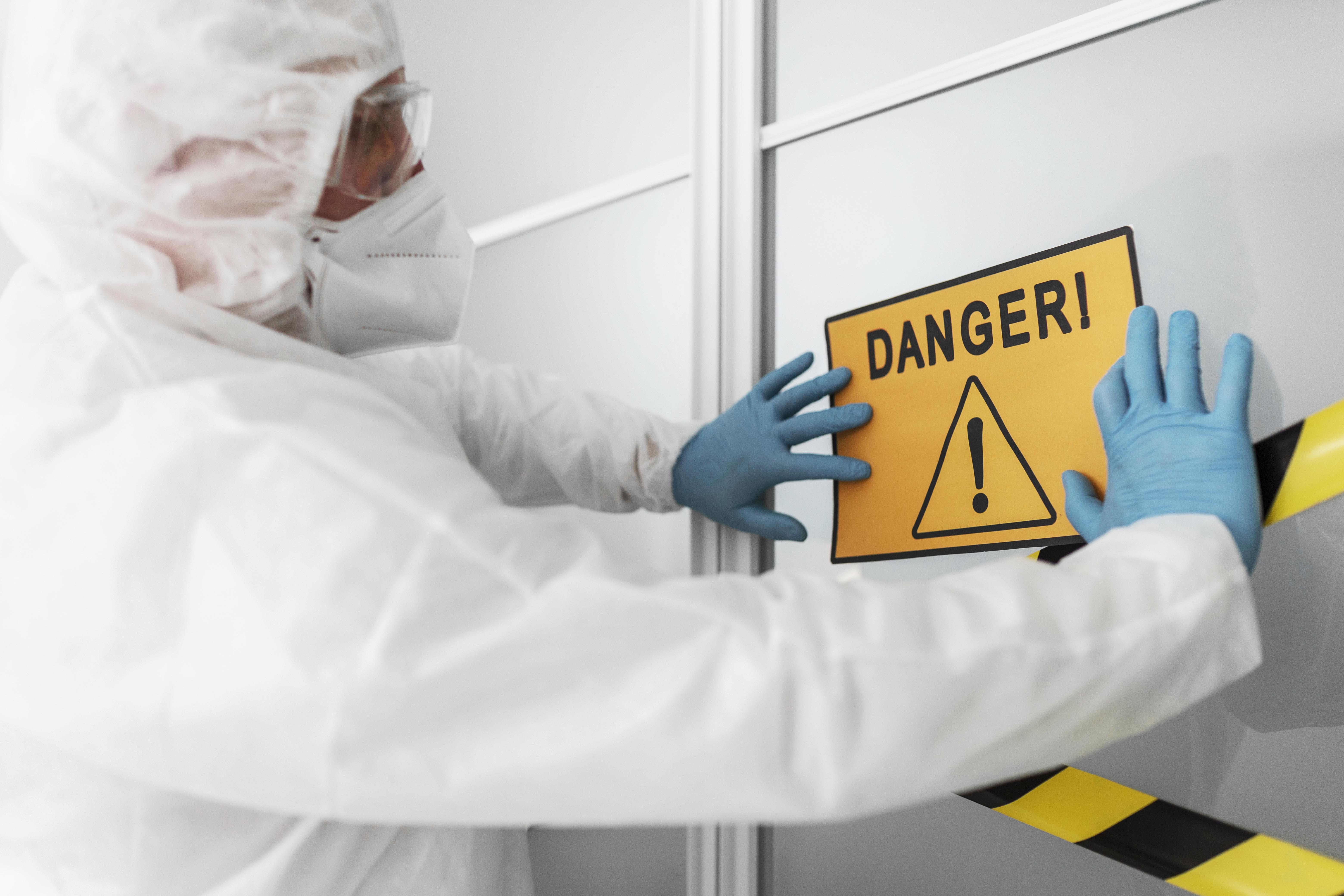
HSEQ Is No Longer a Compliance Function. It Is a Strategic Risk Function.
Across Ireland's industrial sectors, the role of Health, Safety, Environment, and Quality (HSEQ) is quietly changing.
Regulatory scrutiny is rising. Sustainability reporting is expanding. Public tolerance for operational failure is shrinking. In that environment, HSEQ leadership is no longer simply about maintaining compliance frameworks. It is about managing enterprise risk.
For manufacturing, construction, and FMCG organisations operating across Northern Ireland and the Republic of Ireland, HSEQ capability now sits much closer to the organisation’s licence to operate than it did even five years ago. Yet in many businesses, the structure around the function has not kept pace with that reality.
The Compliance Model Is Reaching Its Limits
Historically, HSEQ roles were often structured as compliance support functions. The expectation was straightforward: maintain documentation, ensure regulatory adherence, prepare for audits, and manage incident reporting.
In stable regulatory environments, that model worked. But the current operating conditions are very different. Three forces are reshaping the role:
Increased inspection activity and enforcement from bodies such as the Health and Safety Authority (HSA).
Expansion of Environmental, Social, and Governance (ESG) and sustainability reporting obligations under the EU Corporate Sustainability Reporting Directives.
Higher public visibility when operational failures occur.
Under those conditions, the consequences of a breakdown in safety, environmental management, or quality assurance extend far beyond the site itself. They affect brand credibility, investor confidence, and long-term operational continuity. That is why the organisations responding most effectively are repositioning HSEQ from a compliance activity to a strategic risk function.
Where HSEQ Actually Sits Matters
In many industrial organisations, HSEQ still sits several layers below executive leadership. Reporting lines often run through operations, where delivery pressures can unintentionally compete with risk management priorities. The result is a structural tension that experienced HSEQ professionals recognise immediately.
When production deadlines tighten or project schedules compress, the authority to slow operations in the interest of safety or environmental control must be clear. Where that authority is ambiguous, problems tend to surface later. This often occurs during inspection, after an incident, or when external scrutiny intensifies.
The organisations that navigate regulatory pressure most effectively tend to share a common characteristic: HSEQ leadership has visibility and influence at the executive level. This is not because it is symbolic, but because risk ownership requires it.
The Expanding Scope of HSEQ Leadership
Another shift occurring across the sector is the widening scope of the role itself. Traditionally separated functions, such as safety, environmental compliance, and quality assurance, are increasingly converging under a single leadership umbrella. This convergence is being accelerated by regulatory developments, including environmental accountability frameworks and more integrated inspection regimes supported by the Environmental Protection Agency (EPA).
For many organisations, the modern HSEQ leader is now responsible for:
Operational safety culture
Environmental performance and reporting
Quality and audit readiness
Regulatory engagement
Sustainability data and disclosure frameworks
The skillset required is therefore evolving. Technical compliance expertise remains essential, but it is increasingly accompanied by commercial awareness, data interpretation, and the ability to influence decision-making at the leadership level.
Operational Discipline Is Now a Leadership Issue
When organisations experience regulatory difficulty, the root cause is rarely the absence of procedures. Most industrial businesses already maintain extensive documentation and compliance frameworks. The difference tends to lie in operational discipline.
Are safety standards consistently enforced during peak production periods?
Are environmental reporting requirements integrated into operational decision-making?
Are quality controls treated as operational fundamentals or administrative tasks?
These questions move the conversation away from documentation and toward leadership accountability. In practice, that is where the strongest HSEQ cultures are built.
The Organisations That Will Navigate the Next Cycle Best
The regulatory trajectory suggests continued tightening of inspection activity and sustainability obligations over the coming years. In that environment, organisations that treat HSEQ purely as a compliance exercise may find themselves operating reactively.
Those who recognise it as a strategic risk function tend to behave differently. They define clear authority structures and position HSEQ leadership close to operational decision making. They invest in capability that extends beyond basic compliance and treat safety, environmental stewardship, and quality as operational fundamentals.
None of these steps eliminates risk. However, they significantly reduce the likelihood that issues surface under the worst possible conditions. In the current operating environment, the strength of HSEQ capability determines something much more fundamental than compliance. It determines whether the organisation maintains its licence to operate.
Vickerstock: Delivery Critical Talent Partners. Reducing avoidable people risk by strengthening hiring decisions in roles where regulatory exposure and operational continuity cannot fail.